
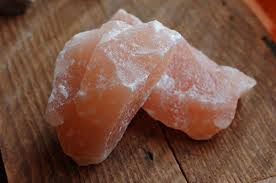
 The salty taste is also known as 'lavana' in Ayurveda. It has to be differentiated from salt. Salt has become synonymous with salty/ lavana taste, but it is actually not so. Salty taste can be enjoyed in many items other than salt, for e.g., banana, spinach, garlic, cloves, seafood,e.t.c. Our taste buds are used to table salt, which has having high potency of salty taste. To enjoy the subtle salty taste in these foods, we have to restrict salt in our diets. At first, the food will taste very bland, but slowly our taste buds will get used to this and will start enjoying the subtleness of the salty taste.
Actions in the body:
Salty taste has mild, heavy, unctuous, and hot properties. It is composed of fire and water elements. It supports the following actions:- Digestion
- Moistening the food
- Appetizer makes the food tasty
- Mild laxative
- Carminative
- Nullifies all other tastes
- Dilute phlegm
- Clears the micro channels
- Better absorption of food and efficient elimination
Excessive usage of salty taste:
Excess use of Lavan rasa alone will cause aggravation of Pitta dosha and Rakta.- Thirst
- Fainting
- Heats the body
- Premature wrinkling of skin, graying, and falling of hair.
- In deep-seated skin diseases, it causes softening of muscles.
- Increases toxins
- Premature shedding of teeth
- Loss of sexual power
- Deterioration of senses
- Purpural disorders
- Bleeding disorders like epistaxis and bleeding piles
- Hyper acidity
- Cellulitis
- Rheumatic disorders