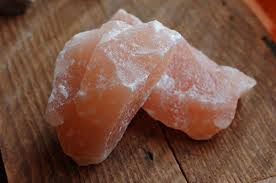
The salty taste is also known as ‘lavana’ in Ayurveda. It has to be differentiated from salt. Salt has become synonymous with salty/ lavana taste, but it is actually not so. Salty taste can be enjoyed in many items other than salt, for e.g., banana, spinach, garlic, cloves, seafood,e.t.c. Our taste buds are used to table salt, which has having high potency of salty taste. To enjoy the subtle salty taste in these foods, we have to restrict salt in our diets. At first, the food will taste very bland, but slowly our taste buds will get used to this and will start enjoying the subtleness of the salty taste.
Actions in the body:
Salty taste has mild, heavy, unctuous, and hot properties. It is composed of fire and water elements. It supports the following actions:
- Digestion
- Moistening the food
- Appetizer makes the food tasty
- Mild laxative
- Carminative
- Nullifies all other tastes
- Dilute phlegm
- Clears the micro channels
- Better absorption of food and efficient elimination
Excessive usage of salty taste:
Excess use of Lavan rasa alone will cause aggravation of Pitta dosha and Rakta.
- Thirst
- Fainting
- Heats the body
- Premature wrinkling of skin, graying, and falling of hair.
- In deep-seated skin diseases, it causes softening of muscles.
- Increases toxins
- Premature shedding of teeth
- Loss of sexual power
- Deterioration of senses
- Purpural disorders
- Bleeding disorders like epistaxis and bleeding piles
- Hyper acidity
- Cellulitis
- Rheumatic disorders
How much salt should be used?
Among the ill effects of excessive use of all 6 tastes mentioned in Ayurveda, those of lavana have been most elaborately described. Salt has a lot of potency of taste potency, hence the dose is very low. Moreover, as all the tastes should be in balance hence salt, being the most potent, should be restricted. Particularly, Pitta body types should be careful. Ayurveda advocates the use of naturally occurring salts like rock salt, sea salt, etc. These salts contain not only sodium chloride but a variety of elements that are lacking in table salt, which is why the potency of these salts is less than refined/table salt. So one has to be very mindful of the dose of table salt, but not so in the case of Ayurvedic salts.
Modern society is phobic about the use of salt. This phobia is right because of the nature of salt being used nowadays. Modern-day salt, also known as table salt, was developed to match our fast-paced lives. It was given a free flow by adding chemicals and was potentiated by removing minerals. This is responsible for all the ill effects.
Ayurvedic salts, on the contrary, were in crude form (lacking additives) and colorful (because of the presence of different elements). Hence, they are more suited to our bodies.
Salting to taste will provide the correct level of salt intake in our diets.